
Nutritional Biochemistry of Non-Traditional Nutrients: Biochemical Roles of Lesser-Studied Phytochemicals, Rare Vitamins and Trace Minerals
-
David Chinonso Anih


Department of Biochemistry, Faculty of Biosciences, Federal University Wukari, Taraba, Nigeria
| Received 05 Mar, 2026 |
Accepted 02 Jun, 2026 |
Published 21 Jun, 2026 |
Non traditional nutrients, including rare vitamins, trace minerals, and lesser studied phytochemicals, are increasingly recognized as important contributors to human biochemistry and health maintenance. Although they are often present in small amounts and have not received the same attention as classical nutrients, growing evidence shows that they participate in a wide range of physiological processes with implications for disease prevention and metabolic regulation. This review examines the classification, dietary sources, biochemical roles, and molecular mechanisms of these compounds, with emphasis on their relevance to energy metabolism, antioxidant defense, inflammation control, epigenetic regulation, and cellular signaling. Rare vitamins such as vitamin K2 illustrate the expanding biological significance of nutrients previously considered only in narrow physiological contexts, particularly through their roles in protein carboxylation, bone metabolism, and vascular protection. Trace minerals including selenium, molybdenum, vanadium, boron, and lithium contribute to essential enzymatic reactions, redox balance, hormone related regulation, and neurobiological function. In parallel, phytochemicals such as sulforaphane, betaines, polyamines, flavonoids, and microbial metabolites including urolithins demonstrate how plant derived and gut microbiota mediated compounds can influence detoxification pathways, mitochondrial function, inflammatory signaling, and gene expression. The review further shows that these nutrients act through coordinated biochemical mechanisms involving enzyme cofactors, transcription factors, nuclear receptors, methylation reactions, and signaling pathways such as Nrf2, NF kappa B, and GSK 3β. Their effects extend across key physiological domains, including oxidative stress modulation, immune regulation, mitochondrial efficiency, and maintenance of cellular homeostasis. Collectively, the evidence suggests that non traditional nutrients play meaningful roles that are not fully captured within conventional dietary frameworks. Despite these promising findings, important gaps remain in understanding their bioavailability, dose response relationships, long term safety, and clinical relevance. Further interdisciplinary research is needed to clarify their mechanisms of action and to establish evidence based strategies for their inclusion in nutrition science and public health practice. A deeper understanding of these bioactive compounds may support more refined nutritional interventions for the prevention and management of chronic disease.
| Copyright © 2026 David Chinonso Anih. This is an open-access article distributed under the Creative Commons Attribution License, which permits unrestricted use, distribution, and reproduction in any medium, provided the original work is properly cited. |
INTRODUCTION
Nutritional biochemistry traditionally focuses on classical nutrients such as macronutrients, vitamins, and minerals, which have well-established biochemical roles essential for human health and metabolism1. These nutrients support crucial biological processes, including energy production, enzymatic catalysis, and cellular structure maintenance1,2. However, recent advances in nutritional sciences have expanded attention towards non-traditional nutrients a group that includes rare vitamins, trace minerals, and diverse phytochemicals that may play pivotal roles in modulating human physiology and preventing chronic diseases2.
|
Non-traditional nutrients differ from classical nutrients by their lower dietary abundance, emerging evidence of essentiality, or novel biochemical functions that require further elucidation2,3. For example, vitamin K2 (menaquinones) has been shown to influence bone mineralization and cardiovascular health beyond the functions of classical vitamin K1. Trace minerals such as selenium and molybdenum are established cofactors in antioxidant and detoxification enzymes, while other trace elements like boron and vanadium show promising but less understood metabolic roles3.
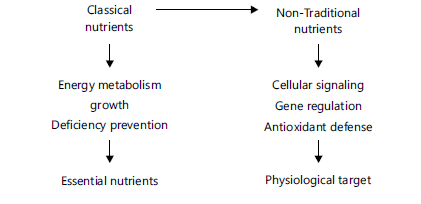
Despite accumulating evidence, the biochemical mechanisms and physiological relevance of many non-traditional nutrients remain under-investigated (Fig. 1). This review aims to synthesize the current knowledge on these nutrients’ biochemical roles, dietary sources, metabolism, and health impacts, thereby setting a foundation for future research in this evolving field.
CLASSIFICATION AND SOURCES OF NON-TRADITIONAL NUTRIENTS
This section categorizes and explores non-traditional nutrients, including rare vitamins, trace minerals, under-researched phytochemicals, and emerging bioactives. It highlights their diverse biochemical roles, unique dietary sources, and potential health benefits, emphasizing their growing significance in nutritional science beyond classical essential nutrients.
Rare vitamins: Rare vitamins constitute a group of vitamins or vitamin analogs that occur in more limited dietary quantities or have been recently identified with physiological significance. Unlike classical vitamins, many are less commonly included in dietary recommendations due to limited data on their essentiality or bioavailability.
Vitamin K2 (menaquinones) is a prime example, existing as several homologues (MK-4 to MK-13) produced by intestinal bacteria and found in fermented foods such as natto, cheese, and certain meats. Unlike vitamin K1, which primarily supports blood coagulation, vitamin K2 plays a crucial role in bone mineralization by activating osteocalcin, a vitamin K-dependent protein essential for calcium binding in bones4. Furthermore, vitamin K2 has been linked to cardiovascular health through its inhibition of vascular calcification, a growing area of clinical interest4.
Other rare vitamins, such as vitamin B15 (pangamic acid), have been proposed to support cellular metabolism and detoxification, although evidence remains preliminary and controversial5. Pangamic acid is naturally found in seeds and whole grains, but lacks a clear consensus on its vitamin status or physiological requirements.
|
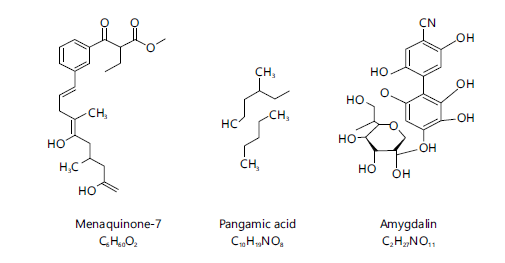
The structural diversity among rare vitamins contributes significantly to their distinct biological functions and pharmacokinetics. Figure 2 illustrates the chemical structures of menaquinone-7, pangamic acid, and amygdalin three compounds exemplifying the functional heterogeneity of non-classical vitamins. Menaquinone-7, with its extended isoprenoid side chain, is pivotal for activating proteins like osteocalcin involved in bone mineralization and for preventing vascular calcification5,6. In contrast, pangamic acid (vitamin B15) is hypothesized to support oxygen utilization and hepatic detoxification pathways, although mechanistic clarity and clinical consensus are still lacking5,6. Amygdalin’s structure contains a cyanogenic glycoside moiety, which under metabolic conditions releases cyanide, a key reason for the ongoing safety and efficacy debates regarding its use in oncology6. These structural nuances help contextualize why rare vitamins vary so widely in health impact and regulatory acceptance.
Trace minerals: Trace minerals are required in minute amounts but are indispensable due to their roles as cofactors in enzymatic processes, structural components of proteins, and regulators of metabolic pathways. Their deficiency or excess can significantly impact health.
Selenium is a well-documented trace element incorporated into selenoproteins such as glutathione peroxidase and thioredoxin reductase, critical for antioxidant defense and redox homeostasis7. Selenium is abundant in Brazil nuts, seafood, and cereals, but bioavailability varies with soil content.
Molybdenum acts as a cofactor for enzymes including sulfite oxidase and xanthine oxidase, essential for sulfur and purine metabolism7. Legumes, grains, and nuts are principal dietary sources.
Vanadium has attracted attention for its insulin-mimetic properties, influencing glucose metabolism, although its essentiality in humans is not firmly established7,8. Food sources include mushrooms, shellfish, and black pepper.
Boron modulates bone metabolism and inflammatory responses, potentially through effects on steroid hormone metabolism and cellular signaling8. It is found in fruits, nuts, and leafy vegetables.
Lithium, though primarily recognized for psychiatric treatment, is found in trace amounts in drinking water and certain foods and may exert neuroprotective and cellular regulatory functions8. Research on dietary lithium’s physiological role is emerging.
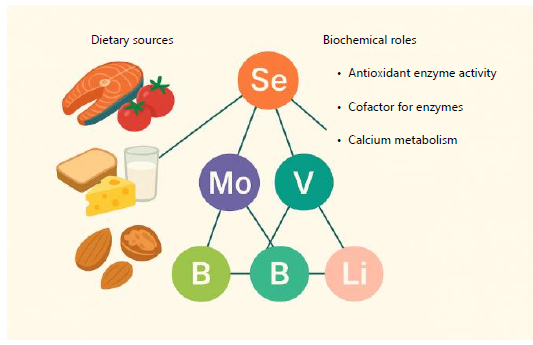
Trace minerals, though required in minute quantities, execute critical functions in cellular biochemistry and systemic physiology. Figure 3 visually synthesizes the key biochemical roles and major dietary sources of selenium, molybdenum, vanadium, boron, and lithium. Selenium, primarily obtained from Brazil nuts and seafood, is vital for redox regulation through its incorporation into selenoproteins such as glutathione peroxidase8,9.
|
Molybdenum, sourced from legumes and whole grains, functions in detoxification pathways and purine degradation by serving as a cofactor for enzymes like xanthine oxidase. Vanadium, though not conclusively essential, has demonstrated insulin-like effects and is under investigation for metabolic applications8,9. Boron supports steroid hormone metabolism and bone health, with fruits and leafy vegetables serving as common sources9. Lithium, traditionally recognized for its psychiatric utility, is gaining attention for its dietary presence and potential neuroprotective mechanisms9. The visualization in Figure 3 consolidates these elements’ overlapping dietary and functional profiles, reinforcing their integrated relevance in trace mineral biochemistry.
Lesser-studied phytochemicals: Phytochemicals are non-essential plant-derived compounds with bioactive properties that influence human health via various biochemical pathways. Their roles often extend beyond classical nutrition, modulating detoxification, oxidative stress, and gene expression.
Sulforaphane, a sulfur-containing isothiocyanate from cruciferous vegetables (e.g., broccoli), induces phase II detoxification enzymes by activating the Nrf2-Keap1 pathway, enhancing cellular antioxidant defenses and possibly reducing cancer risk10. Its bioavailability and metabolism have been extensively studied, making it a model compound for phytochemical research.
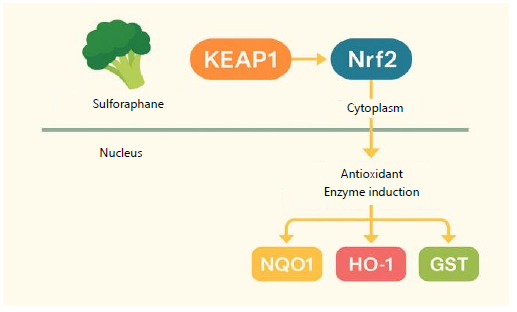
Figure 4 visually reinforces the central mechanism by which sulforaphane enhances cellular defenses via the Nrf2-Keap1-ARE pathway. This activation results in the transcriptional upregulation of antioxidant and detoxification enzymes that protect cells from oxidative and electrophilic damage. As described in Section 2.3, sulforaphane exemplifies how lesser-studied phytochemicals exert profound physiological effects through specific gene-regulatory pathways, thereby offering potential protective benefits against chronic diseases such as cancer10,11.
Betaines, including trimethylglycine, act as methyl donors in the methionine-homocysteine cycle, thereby supporting methylation reactions critical for DNA and protein function. They are abundant in beets, spinach, and whole grains.
Polyamines (putrescine, spermidine, spermine) are involved in cell growth, differentiation, and gene regulation. Dietary sources include aged cheese, soy products, and mushrooms11. Their concentrations decline with age, linking them to aging research.
|
Rare flavonoids and other phenolic compounds exhibit antioxidant, anti-inflammatory, and cardioprotective effects; however, many have limited human bioavailability and require further investigation12.
Emerging nutrient candidates and novel bioactives: The discovery of novel bioactive compounds continues with advances in food chemistry and microbiome research, revealing new candidates with potential nutritional significance.
Novel carotenoids beyond beta-carotene, such as astaxanthin and fucoxanthin, show potent antioxidant properties and cellular benefits13. Synthetic dietary fibers and resistant starches, emerging as functional food components, modulate gut microbiota and metabolic health13,14.
|
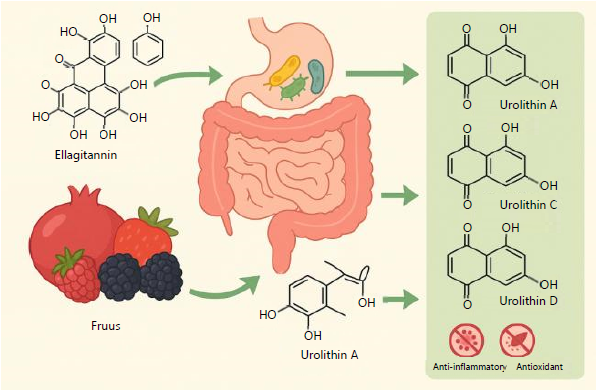
Microbial metabolites like urolithins, derived from ellagitannins in berries and nuts, have demonstrated anti-inflammatory and mitochondrial health benefits, highlighting the importance of gut microbiota in nutrient bioactivation14.
These emerging candidates require robust clinical validation but represent promising frontiers in nutritional biochemistry.
Figure 5 depicts how ellagitannins are metabolized into bioactive urolithins through the action of specific gut microbiota. Dietary compounds may require microbial processing to achieve bioactivity, emphasizing the gut microbiome’s integral role in nutrient activation. Urolithins have demonstrated effects on mitochondrial health, inflammation, and aging processes, aligning them with emerging nutrient candidates of significant clinical interest15.
BIOCHEMICAL ROLES AND MECHANISMS OF ACTION
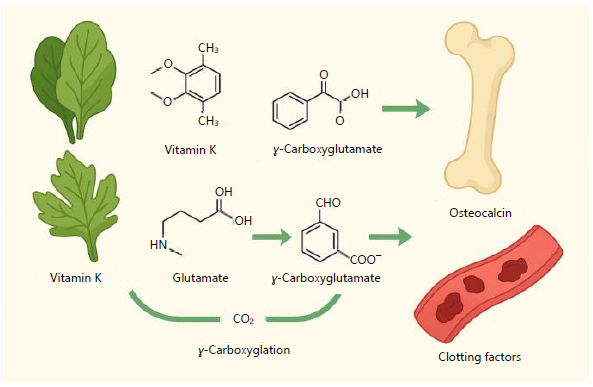
Rare vitamins: Rare vitamins often serve as specialized cofactors or coenzymes in critical biochemical reactions. For example, menaquinones (vitamin K2) function as essential cofactors in the gamma-carboxylation of glutamate residues in proteins involved in blood coagulation and bone metabolism16. This post-translational modification enables proteins like osteocalcin and matrix Gla protein to bind calcium effectively, regulating bone mineralization and inhibiting vascular calcification16. Figure 6 illustrates the biochemical mechanism of the vitamin K-dependent gamma-carboxylation pathway, emphasizing the role of menaquinone (vitamin K2) in modifying glutamate residues in target proteins. This reaction is essential for activating osteocalcin and matrix Gla protein, which mediate calcium binding for bone formation and vascular protection. The pathway also supports the activation of clotting factors, linking vitamin K2 to both skeletal and cardiovascular health16,17.
The biochemical activities of vitamin B15 (pangamic acid) remain controversial; however, some studies suggest its involvement in cellular respiration and detoxification pathways, potentially enhancing oxygen utilization and energy metabolism17.
|
Amygdalin (vitamin B17) interacts with beta-glucosidase enzymes, releasing cyanide, which has been proposed to target cancer cells selectively, though this remains scientifically unproven and clinically unsafe18.
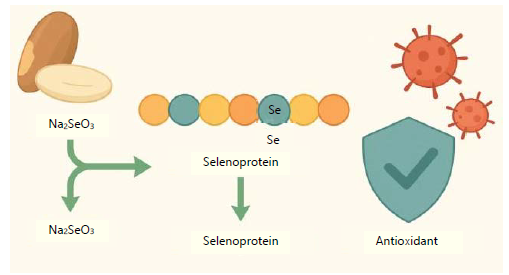
Trace minerals: Trace minerals serve as indispensable cofactors, structural components, and regulators of diverse enzymatic systems. Selenium is incorporated into selenoproteins like glutathione peroxidase and thioredoxin reductase, crucial for protecting cells from oxidative damage and maintaining redox balance19. Selenium’s role extends to thyroid hormone metabolism and immune modulation.
Molybdenum-dependent enzymes such as xanthine oxidase and aldehyde oxidase catalyze oxidation reactions vital for purine degradation and drug metabolism19. Deficiencies can lead to neurological and metabolic disorders.
Vanadium compounds influence phosphorylation cascades and mimic insulin activity by modulating protein tyrosine phosphatases, enhancing glucose uptake and metabolism19,20.
Boron modulates enzymatic activities involved in steroid hormone metabolism and inflammatory signaling pathways, influencing bone and immune health20.
Lithium exerts biochemical effects through inhibition of Glycogen Synthase Kinase-3β (GSK-3β), affecting cellular signaling, neuroplasticity, and mitochondrial function20,21.
Figure 7 illustrates the essential roles of trace minerals in human metabolism, emphasizing their function as cofactors and regulators of enzymatic reactions. It highlights selenium’s role in antioxidant defense through selenoproteins, molybdenum’s involvement in purine degradation and xenobiotic metabolism, and vanadium’s insulin-mimetic effects on glucose regulation. The diagram also includes boron’s effect on hormone and immune modulation and lithium’s influence on neural signaling pathways through GSK-3β inhibition21.
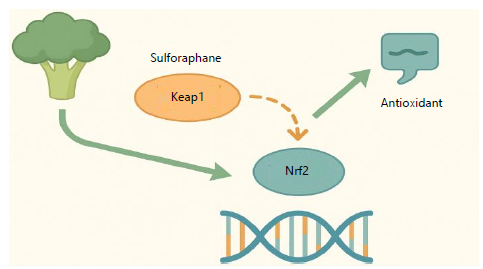
Phytochemicals: Phytochemicals influence human biochemistry through modulation of detoxification enzymes, signaling pathways, and epigenetic mechanisms. Sulforaphane activates the Nrf2 pathway, promoting transcription of antioxidant and phase II detoxification enzymes such as NAD(P)H:quinone oxidoreductase 1 (NQO1) and glutathione S-transferases22. This activation enhances cellular defense against oxidative stress and carcinogens.
|
Betaines serve as methyl donors in the one-carbon metabolism cycle, supporting DNA methylation and gene expression regulation, thereby influencing epigenetic patterns and cellular function.
Polyamines participate in stabilizing DNA structures, modulating ion channels, and regulating apoptosis and autophagy, with implications for aging and cancer biology22.
Rare flavonoids exhibit antioxidant and anti-inflammatory effects by scavenging reactive oxygen species and modulating NF-κB signaling pathways, although their bioavailability remains a research focus22,23. Figure 8 illustrates how diverse phytochemicals modulate cellular signaling, detoxification, and epigenetic pathways. Sulforaphane’s role in activating the Nrf2 antioxidant response element (ARE) cascade is central to cytoprotective defense. Betaines participate in methylation reactions that regulate gene expression and chromatin structure23. Polyamines influence DNA stability and cellular turnover23,24, while flavonoids contribute anti-inflammatory and antioxidant effects by modulating transcription factors such as NF-κB24.
Molecular interactions and cellular targets: Non-traditional nutrients interact with diverse biomolecules including enzymes, receptors, and DNA. Vitamin K2 directly interacts with gamma-glutamyl carboxylase to catalyze carboxylation reactions essential for calcium-binding proteins25. Selenium-containing enzymes regulate redox-sensitive signaling cascades affecting cellular proliferation and apoptosis25.
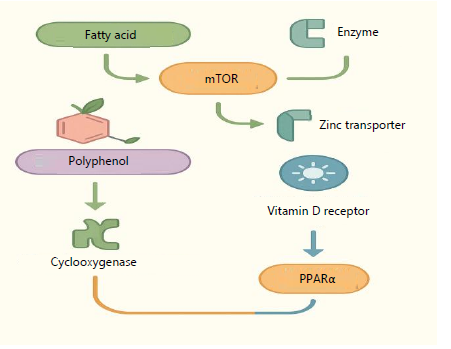
Phytochemicals can bind to nuclear receptors such as the aryl hydrocarbon receptor (AhR) or peroxisome proliferator-activated receptors (PPARs), modulating gene transcription involved in metabolism and inflammation25,26.
Trace minerals such as boron influence transcription factors and enzymatic activities by modulating phosphorylation states and cofactor binding25,26.
Lithium’s inhibition of GSK-3β affects Wnt/β-catenin signaling and other pathways essential for neuronal survival and plasticity, illustrating its broad biochemical impact. Figure 9 illustrates the diverse molecular interactions of non-traditional nutrients with intracellular targets. Vitamin K2 facilitates γ-carboxylation through activation of gamma-glutamyl carboxylase, essential for calcium-binding proteins26. Selenium-dependent enzymes regulate redox-sensitive cascades. Phytochemicals modulate gene expression via AhR and PPARs26,27, while boron and lithium influence signal transduction and cellular outcomes through phosphorylation and kinase inhibition, respectively27.
|
METABOLIC PATHWAYS INFLUENCED BY NON-TRADITIONAL NUTRIENTS
Non-traditional nutrients modulate metabolic pathways including energy production, antioxidant defense, inflammation, and gene regulation. Through diverse molecular mechanisms ranging from mitochondrial enhancement by vitamin K2 and sulforaphane to redox regulation by selenium and epigenetic modulation by phytochemicals these nutrients exert profound biochemical and physiological effects.
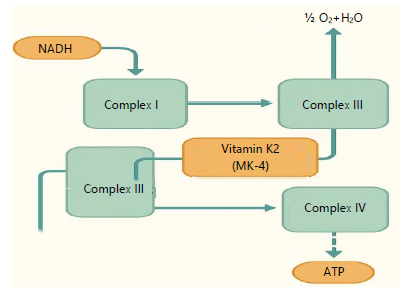
Energy metabolism: Non-traditional nutrients influence energy metabolism at various biochemical levels. Vitamin K2, beyond its classical roles, participates in mitochondrial electron transport by acting as an electron carrier within the respiratory chain, enhancing ATP synthesis efficiency28. This function is particularly significant in cardiac and skeletal muscle tissues.
Figure 10 provides a visual representation of how vitamin K2 functions within the mitochondrial electron transport chain, highlighting its emerging role in energy metabolism. By facilitating electron transfer between complexes and supporting oxidative phosphorylation, vitamin K2 enhances ATP synthesis efficiency, particularly in tissues with high metabolic demand such as cardiac and skeletal muscle28,29. This novel role expands the understanding of vitamin K2 beyond coagulation, positioning it as a crucial cofactor in bioenergetics. The figure also integrates the contributions of vanadium, selenium, sulforaphane, and betaine in mitochondrial function, reinforcing the diverse biochemical mechanisms by which non-traditional nutrients sustain cellular energy production28,29.
Trace minerals such as vanadium modulate insulin signaling pathways enhancing glucose uptake and utilization, affecting glycolysis and oxidative phosphorylation29. Selenium-containing enzymes maintain mitochondrial redox balance, protecting energy-generating pathways from oxidative damage29.
Phytochemicals like sulforaphane improve mitochondrial biogenesis and function via Nrf2-mediated upregulation of antioxidant defenses and mitochondrial genes29,30. Betaines contribute methyl groups necessary for mitochondrial DNA and protein methylation, indirectly influencing energy metabolism30.
|
|
Antioxidant defense and redox homeostasis: Non-traditional nutrients play crucial roles in cellular antioxidant defenses. Selenium is central to the function of glutathione peroxidase and thioredoxin reductase, enzymes that neutralize reactive oxygen species (ROS) and maintain redox homeostasis31.
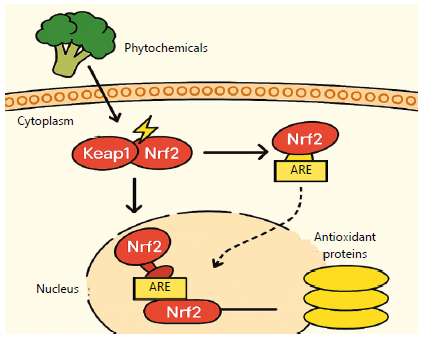
Vitamin K2 acts as a redox-active quinone, cycling between reduced and oxidized forms to scavenge free radicals and prevent lipid peroxidation31. Phytochemicals, including flavonoids and sulforaphane, induce phase II detoxification enzymes via Nrf2 activation, bolstering endogenous antioxidant capacity31,32.
Figure 11 visually represents the Nrf2-mediated antioxidant defense mechanism, emphasizing how phytochemicals such as sulforaphane and flavonoids activate this key cellular pathway. Upon activation, Nrf2 translocates to the nucleus and upregulates genes encoding enzymes responsible for detoxification and oxidative stress management32. Selenium complements this pathway through its essential roles in redox-active enzymes like glutathione peroxidase and thioredoxin reductase32,33. Additionally, vitamin K2's quinone structure facilitates redox cycling to scavenge ROS32,33, while boron indirectly reinforces redox balance by mitigating inflammation-associated oxidative stress33.
|
|
Boron’s role in modulating inflammatory pathways indirectly supports redox balance by reducing oxidative stress associated with inflammation33.
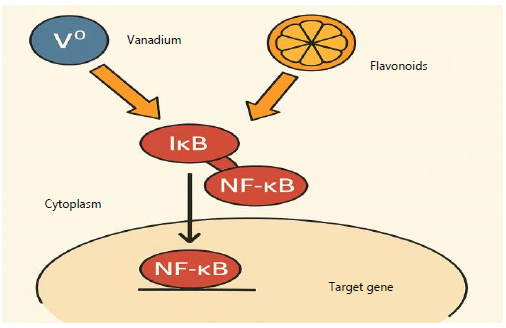
Inflammatory pathways: Several non-traditional nutrients modulate inflammatory signaling. Selenium modulates cytokine production and immune cell function, attenuating chronic inflammation34. Vanadium compounds inhibit NF-κB activation, decreasing pro-inflammatory gene expression34.
Figure 12 illustrates how key non-traditional nutrients modulate the NF-κB pathway and related pro-inflammatory mechanisms. Vanadium interferes with NF-κB activation by stabilizing IκB, thereby blocking transcription of genes like TNF-α and IL-634,35. Flavonoids suppress inflammatory enzymes including COX-2 and iNOS34,35, while selenium plays a dual role in dampening cytokine signaling and supporting immune resolution35. Boron regulates prostaglandins and cytokines to reduce inflammation, and vitamin K2 further contributes by inhibiting vascular inflammatory cytokines, linking molecular effects to clinical anti-inflammatory outcomes34,35.
Boron influences inflammatory mediators such as prostaglandins and cytokines, contributing to reduced inflammation and improved bone and joint health36. Phytochemicals like rare flavonoids suppress inflammatory signaling pathways, including COX-2 and iNOS expression36.
Vitamin K2 has been observed to inhibit inflammatory cytokines in vascular tissues, linking its cardiovascular benefits to anti-inflammatory actions36.
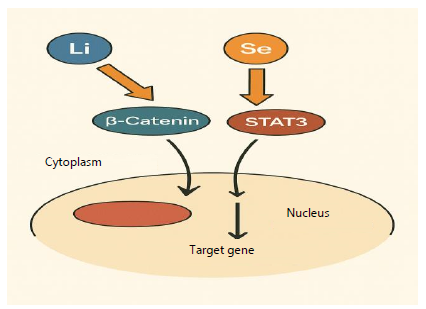
Cellular signaling and gene regulation: Non-traditional nutrients impact key signaling pathways and gene expression. Lithium inhibits GSK-3β, modulating Wnt/β-catenin signaling involved in neurogenesis and cell proliferation. Selenium modulates redox-sensitive transcription factors such as NF-κB and AP-1, influencing gene expression related to oxidative stress and inflammation37.
Phytochemicals regulate epigenetic modifications, including DNA methylation and histone acetylation, through methyl donor availability (betaines) and Nrf2-dependent gene expression37,38. Vitamin K2 influences gene expression by modulating nuclear receptors and vitamin K-dependent proteins37,38.
Vanadium and boron alter phosphorylation states of signaling proteins, affecting downstream cellular responses39.
Figure 13 illustrates how lithium and selenium, two prominent non-traditional nutrients, influence gene regulation through distinct yet complementary pathways. Lithium’s inhibition of GSK-3β activates Wnt/β-catenin signaling, promoting neural development and cell cycle progression. Concurrently, selenium’s role in maintaining redox homeostasis allows it to modulate transcription factors such as NF-κB and AP-1, which are pivotal in oxidative stress response and inflammation regulation. These mechanisms underscore the broader genomic and cellular signaling influence exerted by micronutrient status, contributing to both physiological resilience and disease modulation39.
CONCLUSION
Non-traditional nutrients, comprising rare vitamins, trace minerals, and phytochemicals, play vital yet often underrecognized roles in human biochemistry and health. Their diverse functions span from modulating enzymatic activities and redox balance to influencing gene expression and cellular signaling pathways. Emerging evidence highlights their potential in preventing and managing chronic diseases through mechanisms not fully leveraged in current nutritional guidelines. However, gaps remain in understanding their bioavailability, metabolic interactions, and long-term effects. Continued interdisciplinary research is essential to unlock their full therapeutic and preventive capacities. Integrating these nutrients into evidence-based dietary strategies promises to enhance personalized nutrition and public health outcomes.
SIGNIFICANCE STATEMENT
This manuscript comprehensively elucidates the biochemical roles and emerging significance of non-traditional nutrients, including rare vitamins, trace minerals, and phytochemicals that are often overlooked in conventional nutrition science. By integrating current knowledge on their classification, metabolic functions, and molecular mechanisms, the review highlights their critical contributions to energy metabolism, antioxidant defense, inflammation modulation, and gene regulation. The insights provided pave the way for advancing nutritional research and developing innovative dietary strategies aimed at optimizing health and preventing chronic diseases through these underappreciated bioactive compounds.
ACKNOWLEDGMENT
The author sincerely acknowledges Federal University Wukari for providing the academic environment and institutional support that made this comprehensive review possible. Special appreciation is also extended to colleagues whose constructive input and encouragement helped strengthen the quality of the manuscript.
REFERENCES
- Anih, D.C., K.A. Arowora, R.H.N. Boyi, K.C. Ugwuoke and Z.I. Muhammad et al., 2025. Precision nutrition redefined: Integrative molecular frameworks for personalized dietary interventions. Asian J. Biol. Sci., 18: 865-884.
- Kussmann, M., D.H.A. Cunha and S. Berciano, 2023. Bioactive compounds for human and planetary health. Front. Nutr., 10.
- Arowora, K.A., R.H.N. Boyi, K.C. Ugwuoke, A.F. Albukhari, D.C. Anih, M. Timothy and Z.I. Muhammad, 2025. Effects of food processing on nutrient bioavailability and metabolic health. Asian J. Biol. Sci., 18: 885-897.
- Hariri, E., N. Kassis, J.P. Iskandar, L.J. Schurgers and A. Saad et al., 2021. Vitamin K2-a neglected player in cardiovascular health: A narrative review. Open Heart, 8.
- Barakat, H., T. Aljutaily, M.S. Almujaydil, R.M. Algheshairy and R.M. Alhomaid et al., 2022. Amygdalin: A review on its characteristics, antioxidant potential, gastrointestinal microbiota intervention, anticancer therapeutic and mechanisms, toxicity, and encapsulation. Biomolecules, 12.
- Spanoudaki, M., S. Stoumpou, S.K. Papadopoulou, D. Karafyllaki and E. Solovos et al., 2023. Amygdalin as a promising anticancer agent: Molecular mechanisms and future perspectives for the development of new nanoformulations for its delivery. Int. J. Mol. Sci., 24.
- Bai, S., M. Zhang, S. Tang, M. Li and R. Wu et al., 2025. Effects and impact of selenium on human health, A review. Molecules, 30.
- Dayanand, Y., R. Pather, N. Xulu, I. Booysen, N. Sibiya, A. Khathi and P. Ngubane, 2024. Exploring the biological effects of anti-diabetic vanadium compounds in the liver, heart and brain. Diabetes, Metab. Syndr. Obes., 17: 3267-3278.
- Cardenas, C.A., 2023. Review of boron-based compounds: Advancing cancer therapy and beyond. Clin. Oncol.: Case Rep., 6.
- Zhao, L., J. Li, Y. Dang, D. Fisher and N.T.T. Hien et al., 2025. Protective role of sulforaphane in lipid metabolism-related diseases. Mol. Biol. Rep., 52.
- Anih, D.C., K.A. Arowora, K.C. Ugwuoke, M.A. Abah and B. Habibu, 2025. Nutritional modulation of epigenetic changes induced by mycotoxins: A biochemical perspective for at-risk populations in Africa. Sci. Int., 13: 90-109.
- Rossi, M.N. and M. Cervelli, 2024. Polyamine metabolism and functions: Key roles in cellular health and disease. Biomolecules, 14.
- Trapali, M. and V. Lagouri, 2025. Urolithins-gut microbial metabolites with potential health benefits. Open Med. Chem. J., 19.
- Anih, D.C., K.A. Arowora, V.S. Tatah, K.C. Ugwuoke and R.H.N. Boyi, 2026. Biochemical and nutritional potentials of indigenous Nigerian fermented foods: Implications for gut health, micronutrient bioavailability, and chronic disease prevention. Int. J. Adv. Res. Food Sci. Agric. Technol., 8: 9-26.
- Zhang, C., Y. Zhen, Y. Weng, J. Lin and X. Xu et al., 2025. Research progress on the microbial metabolism and transport of polyamines and their roles in animal gut homeostasis. J. Anim. Sci. Biotechnol., 16.
- Wang, H. and Y. Ma, 2023. The potential of vitamin K as a regulatory factor of bone metabolism-A review. Nutrients, 15.
- Aaseth, J.O., T.E. Finnes, M. Askim and J. Alexander, 2024. The importance of vitamin K and the combination of vitamins K and D for calcium metabolism and bone health: A review. Nutrients, 16.
- Alonso, N., A. Meinitzer, E. Fritz-Petrin, D. Enko and M. Herrmann, 2023. Role of vitamin K in bone and muscle metabolism. Calcif. Tissue Int., 112: 178-196.
- Perri, G., J.C. Mathers, C. Martin-Ruiz, C. Parker and J.S. Walsh et al., 2024. Selenium status and its determinants in very old adults: Insights from the Newcastle 85+ study. Br. J. Nutr., 131: 901-910.
- Adamus, J.P., A. Ruszczyńska and A. Wyczałkowska-Tomasik, 2024. Molybdenum’s role as an essential element in enzymes catabolizing redox reactions: A review. Biomolecules, 14.
- Amaral, L.M.P.F., T. Moniz, A.M.N. Silva and M. Rangel, 2023. Vanadium compounds with antidiabetic potential. Int. J. Mol. Sci., 24.
- Liu, P., B. Zhang, Y. Li and Q. Yuan, 2024. Potential mechanisms of cancer prevention and treatment by sulforaphane, a natural small molecule compound of plant-derived. Mol. Med., 30.
- Cuadrado, A., G. Manda, A. Hassan, M.J. Alcaraz and C. Barbas et al., 2018. Transcription factor NRF2 as a therapeutic target for chronic diseases: A systems medicine approach. Pharmacol. Res., 70: 348-383.
- Yan, H., W. Liu, R. Xiang, X. Li and S. Hou et al., 2024. Ribosomal modification protein rimK-like family member A activates betaine-homocysteine S-methyltransferase 1 to ameliorate hepatic steatosis. Signal Transduction Targeted Ther., 9.
- Berkner, K.L. and K.W. Runge, 2022. Vitamin K-dependent protein activation: Normal gamma-glutamyl carboxylation and disruption in disease. Int. J. Mol. Sci., 23.
- Rothhammer, V. and F.J. Quintana, 2019. The aryl hydrocarbon receptor: An environmental sensor integrating immune responses in health and disease. Nat. Rev. Immunol., 19: 184-197.
- Snitow, M.E., R.S. Bhansali and P.S. Klein, 2021. Lithium and therapeutic targeting of GSK-3. Cells, 10.
- Dupuy, M., N.P. Bondonno, P. Pokharel, A. Linneberg and I. Levinger et al., 2025. Vitamin K: Metabolism, genetic influences, and chronic disease outcomes. Food Sci. Nutr., 13.
- Tang, H., Z. Zheng, H. Wang, L. Wang, G. Zhao and P. Wang, 2022. Vitamin K2 modulates mitochondrial dysfunction induced by 6-hydroxydopamine in SH-SY5Y cells via mitochondrial quality-control loop. Nutrients, 14.
- Zhang, R.X., A.Q. Li, X.Y. Zhao, B. Wang and Z.C. Yang et al., 2025. Identification of SEC16B as a novel regulator of glucose homeostasis. Diabetologia, 68: 2247-2262.
- Popa, D.S., G. Bigman and M.E. Rusu, 2021. The role of vitamin K in humans: Implication in aging and age-associated diseases. Antioxidants, 10.
- Guevara-Flores, A., G. Nava-Balderas, J. de Jesús Martínez-González, C. Vásquez-Lima, J.L. Rendón and I.P. del Arenal Mena, 2024. A physiological approach to explore how thioredoxin-glutathione reductase (TGR) and peroxiredoxin (Prx) eliminate H2O2 in cysticerci of Taenia. Antioxidants, 13.
- Abiko, Y., A. Toriba and Y. Kumagai, 2023. Phytochemicals to regulate oxidative and electrophilic stress through Nrf2 activation. Redox Exp. Med., 2023.
- Huang, Z., A.H. Rose and P.R. Hoffmann, 2012. The role of selenium in inflammation and immunity: From molecular mechanisms to therapeutic opportunities. Antioxid. Redox Signaling, 16: 705-743.
- Korbecki, J., I. Baranowska-Bosiacka, I. Gutowska and D. Chlubek, 2015. Vanadium compounds as pro-inflammatory agents: Effects on cyclooxygenases. Int. J. Mol. Sci., 16: 12648-12668.
- Zheng, X., X. Zhang and F. Zeng, 2025. Biological functions and health benefits of flavonoids in fruits and vegetables: A contemporary review. Foods, 14.
- Malhi, G.S., E. Bell, D. Bassett, P. Boyce and R. Bryant et al., 2020. The 2020 Royal Australian and New Zealand College of Psychiatrists clinical practice guidelines for mood disorders. Aust. N. Z. J. Psychiatry, 55: 7-117.
- de Jesus R. de-Paula, V., M. Radanovic and O.V. Forlenza, 2025. Lithium and neuroprotection: A review of molecular targets and biological effects at subtherapeutic concentrations in preclinical models of Alzheimer’s disease. Int. J. Bipolar Disord., 13.
- Anih, D.C., V.S. Tatah, K.C. Ugwuoke and R.H.N. Boyi, 2025. Epigenetic modulation by fermented plant-based functional foods: A new frontier in neurodegenerative disease prevention. Singapore J. Sci. Res., 15: 36-54.
How to Cite this paper?
APA-7 Style
Anih,
D.C. (2026). Nutritional Biochemistry of Non-Traditional Nutrients: Biochemical Roles of Lesser-Studied Phytochemicals, Rare Vitamins and Trace Minerals. International Journal of Biological Chemistry, 20(1), 23-36. https://doi.org/10.3923/ijbc.2026.23.36
ACS Style
Anih,
D.C. Nutritional Biochemistry of Non-Traditional Nutrients: Biochemical Roles of Lesser-Studied Phytochemicals, Rare Vitamins and Trace Minerals. Int. J. Biol. Chem 2026, 20, 23-36. https://doi.org/10.3923/ijbc.2026.23.36
AMA Style
Anih
DC. Nutritional Biochemistry of Non-Traditional Nutrients: Biochemical Roles of Lesser-Studied Phytochemicals, Rare Vitamins and Trace Minerals. International Journal of Biological Chemistry. 2026; 20(1): 23-36. https://doi.org/10.3923/ijbc.2026.23.36
Chicago/Turabian Style
Anih, David, Chinonso.
2026. "Nutritional Biochemistry of Non-Traditional Nutrients: Biochemical Roles of Lesser-Studied Phytochemicals, Rare Vitamins and Trace Minerals" International Journal of Biological Chemistry 20, no. 1: 23-36. https://doi.org/10.3923/ijbc.2026.23.36

This work is licensed under a Creative Commons Attribution 4.0 International License.
